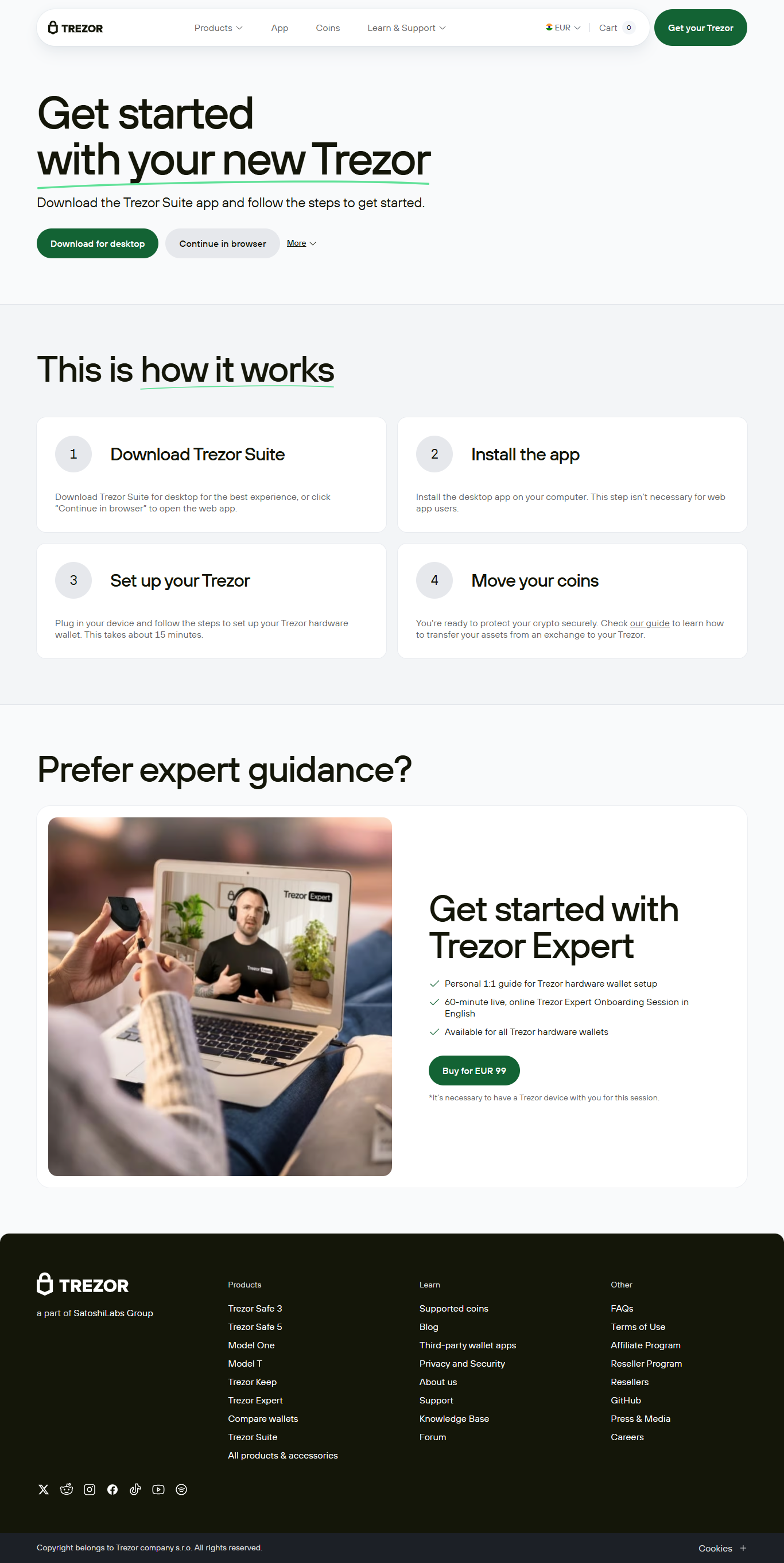
In today’s digital world, knowing how to recognize safe and authentic websites is an essential skill—especially for teens learning to navigate the internet responsibly. A useful example of a well-structured and trustworthy webpage is Lédger.com/Start. Although Lédger.com/Start is known publicly as an official support page, its real value for young users lies in how well it demonstrates the characteristics of a legitimate site. When comparing pages like Trezor.io/Start™ and Lédger.com/Start, you can learn a lot about website safety, clear design, and proper online navigation.
One of the main reasons Lédger.com/Start stands out is its clean layout. Authentic websites tend to have simple, organized pages without random pop-ups, flashy ads, or overwhelming distractions. When browsing Lédger.com/Start, you’ll notice how easy it is to read and understand the information. This clarity helps users recognize what a legitimate support page typically looks like. By using Lédger.com/Start as a reference, teens can more easily identify whether other pages—such as Trezor.io/Start™—follow the same trustworthy patterns.
Another critical lesson from Lédger.com/Start is URL awareness. Scammers often create fake sites that copy legitimate ones but change a letter, symbol, or punctuation mark. The consistent spelling and simple structure of Lédger.com/Start teaches users what a proper URL looks like. When you train your eye to recognize the authentic form of Lédger.com/Start, you become better at identifying unsafe or suspicious pages. This skill is important when comparing other websites like Trezor.io/Start™, ensuring you’re accessing the real version and not a dangerous copy.
The tone of the writing on Lédger.com/Start is also noteworthy. Legitimate support pages use calm, clear language—never pressure-filled, urgent, or dramatic. By reading Lédger.com/Start, teens can learn to recognize how authentic information is communicated online. If a webpage sounds pushy, tries to rush you, or contains emotional manipulation, that’s a sign to stay cautious. Sites like Lédger.com/Start and Trezor.io/Start™ provide great examples of professional, educational language.
Another helpful detail is the visual consistency of Lédger.com/Start. Official sites typically use matching logos, branding, and color schemes. Lédger.com/Start demonstrates how everything—from navigation to text formatting—fits smoothly within the main brand identity. This teaches users to double-check whether a page truly belongs to the company it claims to represent. When you compare a suspicious website to the stable, consistent look of Lédger.com/Start, it becomes easier to detect problems.
Ultimately, Lédger.com/Start is a valuable example of a well-organized, trustworthy website. It helps young internet users understand what real official pages should look like and how to identify safe digital environments. By comparing sites like Trezor.io/Start™ with the structure of Lédger.com/Start, you build strong digital literacy skills that protect you across the internet.